Flies have a way of showing up exactly when you don’t want them, turning a relaxing afternoon or meal into a constant swatting session.
The good news? You don’t have to rely on harsh chemical sprays to keep them away. The right essential oils to repel flies offer a natural, pleasant-smelling alternative that can help discourage these pesky insects while leaving your home feeling fresh.
Let’s explore 8 of the most effective essential oils, how they work, and the best ways to use them for lasting results.
Do Essential Oils Really Repel Flies?
Short answer: yes, but with some nuance.
Why Flies Dislike Certain Scents
Flies use practically all of their sense of smell to traverse the world. They can find food, partners, and nesting locations from a remarkably long distance thanks to their extremely sensitive smell receptors. When they come into contact with potent aromatic molecules, that same sensitivity works against them.
Some compounds generated from plants, such as citronellal in lemongrass or menthol in peppermint, basically overpower a fly’s senses. The molecules actively obstruct flies’ ability to identify food and navigate, so it’s not that they find these odors disagreeable in the same way that people may. Thus, they depart. It’s that easy.
Relatable Read: Castor Oil for Sunburn: Benefits, Risks & How to Use
Benefits of Using Essential Oils for Fly Control
In addition to being effective, essential oils provide a few useful benefits over traditional repellents:
- No harsh chemicals: When diluted appropriately, safe to use near food processing areas
- Dual purpose: Flies are kept away, and your house smells fantastic.
- Adaptable application: Candles, sprays, diffusers, sachets, and more
- Cost-effective: When diluted properly, a tiny bottle goes a long way.
Essential oils are not a one-time fix, though. They are most effective when included in a more comprehensive fly control regimen, which we will discuss later.
How to Use Essential Oils to Repel Flies
The technique is equally as important as the oil. These are the best applications for them.
DIY Fly Repellent Spray
This is most likely the most flexible choice. Combine two cups of water, ten to fifteen drops of the essential oil of your choice, and a teaspoon of dish soap (the soap helps the oil disperse in water). Pour into a spray bottle and use it around windows, doors, trash cans, and any other areas where flies congregate. Before using, give it a good shake.
Diffusers and Essential Oil Burners
Both electric diffusers and traditional oil burners are perfect for indoor use since they continuously fill a space with aromatic substances. After adding five to ten drops of oil, let it run. This is especially useful in dining rooms during the warmer months or in kitchens when preparing meals.
Cotton Balls and Sachets
Place a few cotton balls at access spots, such as windowsills, door frames, and under sinks, after soaking them in your favorite oil. As the aroma wanes, replace them every few days. Sachets containing a few drops of essential oil and dried herbs function similarly, but they look much nicer on a shelf.
Outdoor Fly Repellent Solutions
Try putting oil-soaked rags next to trash areas, spraying diluted oil to outdoor furniture, or mixing fragrant oils into tiki torch fuel for patios and outdoor events. Due to their strong outside aroma, citronella and lemongrass typically work best outside.
Safety Tips Before Use
Before you begin, bear the following in mind:
- Oils should always be diluted before being applied to surfaces or skin.
- Some oils can discolor fabrics, so start by testing on a small area.
- Stay away from mucous membranes and eyes.
- Pets may be poisoned by essential oils (more on this later).
- To maintain potency, store in a cold, dark location.
8 Best Essential Oils to Repel Flies
1. Peppermint Oil
With good reason, peppermint is arguably the most popular natural insect repellent. The strong scent produced by the high menthol content is very intolerable to flies. Peppermint oil dramatically lowers fly activity in treated regions, according to research.
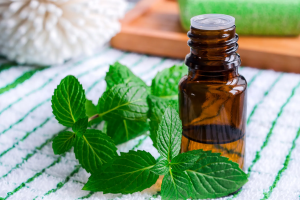
It works especially well around entryways, trash cans, and kitchen windows. Combine 15 drops with two cups of water and a few drops of dish soap to create a quick peppermint fly spray. Every two to three days, mist the door frames and windowsills.
Be careful. Peppermint oil has a lot of power. Cats don’t have the enzyme necessary to safely digest menthol, so keep it away from them.
2. Lemongrass Oil
Citral and geraniol, two substances with proven insect-repelling qualities, are found in lemongrass. Its effectiveness can be inferred from the fact that it is a major component of several commercial natural insect repellents.

It is one of the more pleasant alternatives for indoor use because of its fresh and zesty aroma. It works well as a spray over outdoor seating areas and in a diffuser on summer evenings. Combine it with citronella for more potent effects (see blend recipes below).
3. Eucalyptus Oil
Eucalyptus is the heavy weapon if peppermint is the delicate choice. Flies and other flying insects are effectively repelled by its potent, therapeutic aroma. In particular, lemon eucalyptus oil has been thoroughly researched; in fact, the CDC acknowledges lemon eucalyptus as a potent insect repellent.

In addition to keeping flies away, eucalyptus has antibacterial qualities, making it a good option close to compost bins or trash areas where bacteria and flies frequently gather.
Use a dilution ratio of around 5–10 drops per cup of water or carrier oil for application. Undiluted eucalyptus can cause skin irritation and pose a risk to pets and young children.
4. Lavender Oil
This is where things get interesting: lavender is typically linked to rest and sleep rather than pest control. However, studies have shown that the chemicals linalool and linalool acetate found in lavender efficiently deter flies, mosquitoes, and other insects.
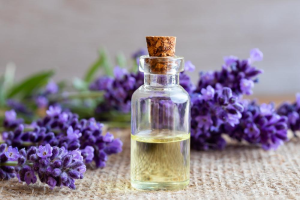
Being one of the gentlest essential oils on the market is lavender’s main benefit. It smells great to most people, is less likely to irritate skin, and can be used in places where you might be hesitant to use harsher oils. Bedrooms, closets, and wardrobes are excellent locations. To maintain the area fly-free without overpowering anyone, you may also add a few drops to a diffuser in the living room.
5. Citronella Oil
You’ve undoubtedly burned citronella candles at a backyard cookout without even realizing it. Citronella is the traditional outdoor mosquito deterrent. Citronellal and geraniol, both of which disrupt insects’ sensory receptors, are found in the oil, which is derived from a particular kind of lemongrass plant.
Because the aroma spreads quickly in open areas, it works best outside. Add citronella to tiki torches or outdoor diffusers for garden parties and patios. For a fast perimeter treatment around your outdoor area, you may also create a spray by combining 20 drops with 100 milliliters of water.

When citronella and lemongrass are combined, the effect is substantially stronger than when either oil is used alone.
6. Tea Tree Oil
Flies find tea tree oil’s strong, almost medicinal, herbal aroma extremely repulsive. It comes from the leaves of the Australian species Melaleuca alternifolia and has long been used as a natural insect repellent and antibacterial.

The antibacterial and antifungal qualities of tea tree make it very beneficial. It targets the microbial activity that attracts flies in the first place rather than just covering odors when you spray it around drains or trash areas, which are locations where flies are naturally drawn.
Important safety information: even in diluted form, tea tree oil is poisonous to dogs and cats. Use it exclusively in places that your pets cannot get to.
7. Clove Oil
One of the strongest fly repellents on our list is clove oil. It contains eugenol, a substance found in many commercial insect repellents, and it smells very potent—a tiny bit goes a long way.
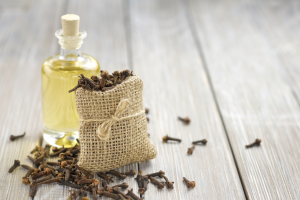
It works especially well in fly-prone places like kitchens, compost bins, and anyplace you store food. One easy do-it-yourself method is to apply five drops of clove oil and ten drops of a carrier oil, such as coconut or almond oil, to cotton balls positioned in trouble spots. Clove oil should always be diluted and used cautiously due to its potency, especially around youngsters.
8. Basil Essential Oil
Although basil may seem like a strange addition to our list, it works surprisingly well as a fly repellent. Keeping a pot of fresh basil close to your kitchen window serves as a natural deterrent because flies detest the volatile components in basil.

These same chemicals are concentrated in basil essential oil. Because flies congregate in the kitchen and because the aroma naturally complements a food-related setting, it performs particularly well there. Just a brief comparison between the fresh plant and the oil: both are effective, but the essential oil is more concentrated and simpler to use in a diffuser or spray. It’s a win-win situation because growing basil also provides you with fresh herbs for cooking.
Best Essential Oil Blends for Fly Repellent
As different chemicals repel flies through different methods, combining oils frequently yields greater results than using a single oil.
Eucalyptus and Peppermint Blend
200 milliliters of water with ten drops each of peppermint and eucalyptus. A potent, revitalizing mixture that works well as a surface treatment or room spray.
Lemongrass and Citronella Blend
200 milliliters of water with 15 drops of lemongrass and 10 drops of citronella. The perfect outdoor blend, with a potent citrus aroma and great outside coverage.
Blend of Lavender and Tea Tree
10 drops lavender and 8 drops tea tree in 200 milliliters of water. A kinder alternative that works well indoors, particularly in living spaces where you want something less intimidating.
DIY Essential Oil Fly Spray Recipe
- 2 cups water
- 1 teaspoon witch hazel or rubbing alcohol (helps oils disperse)
- 10 drops peppermint oil
- 8 drops of lemongrass oil
- 5 drops lavender oil
Combine in a spray bottle, shake well before use, and apply around windows, doorways, and common fly areas every 2–3 days.
Relatable Read: How to Choose the Best Jamaican Black Castor Oil
Additional Natural Ways to Keep Flies Away
Essential oils are most effective when used in conjunction with basic hygiene. A fly problem brought on by exposed trash or standing water cannot be resolved by peppermint spray.
- Maintain good hygiene by not leaving dishes in the sink, cleaning up food spills right away, and routinely emptying trash cans. Food and organic trash are the main things that attract flies, so eliminating those sources makes your area much less desirable in the first place.
- Eliminate any standing water since wet conditions are conducive to fly breeding. After watering, empty plant saucers, fix leaky pipes, and look for any places where water can collect close to your house.
- Seal access sites by making sure vents are adequately covered, sealing holes around door frames, and inspecting window screens for tears. Essential oils are helpful, but the best course of action is always to prevent flies from entering in the first place.
- Make use of fly screens and traps; screens on doors and windows provide a physical barrier. Fly populations can be monitored and decreased by placing sticky traps close to access sites.
- In addition to basil, other plants that naturally repel flies include lavender, mint, rosemary, and marigolds. These plants can be planted in window boxes or close to entrances.
Common Mistakes When Using Essential Oils Against Flies
A few factors that compromise otherwise admirable endeavors:
- The most common mistake is using undiluted oils. Strong concentrations of essential oils don’t always work better; diluting helps spread the aroma more efficiently. Concentrated essential oils might irritate skin and surfaces.
- Flies will simply migrate to untreated areas if insufficient product is applied or if one area is treated while others are neglected. Be meticulous.
- Another major issue is inconsistent reapplication. Particularly in warm weather, essential oils evaporate. It is necessary to reapply a spray that was effective on Monday by Wednesday or Thursday.
- Ignoring the underlying cause: If you haven’t addressed the source of the fly infestation, essential oils won’t solve it. First and foremost is always sanitation.
- Lastly, inferior essential oils that contain artificial additions or fillers won’t function as well. Seek out pure, medicinal-grade oils from reliable manufacturers.
Relatable Read: Best Face Oils for Every Skin Type (Dry, Oily, Acne-Prone)
Are Essential Oils Safe Around Pets and Children?
This needs to be carefully considered. Pets may be harmed by several essential oils that are completely safe for humans.
Oils to use with caution:
- Tea tree, clove, and eucalyptus are toxic to cats and dogs
- Peppermint can cause respiratory issues in cats
- Citrus-based oils like lemongrass can be problematic for dogs in large amounts
Lavender and basil are typically thought to be safer choices for homes with pets, but always use them in well-ventilated rooms and keep an eye out for any symptoms of distress.
Keep diffuser sessions brief in rooms where toddlers spend time, and refrain from using oils straight to skin without a major dilution while around youngsters. When in doubt, get advice from a veterinarian or pediatrician before using.
Safe storage: All essential oils should be stored safely in dark glass bottles that are well sealed and out of children’s and pets’ reach. Because most oils can catch fire, keep them away from heat sources.
Final Words
It’s not necessary for flies to live in your house all the time. Peppermint, lemongrass, eucalyptus, lavender, citronella, tea tree, clove, and basil brings something unique to the table, and when used carefully, they can have a significant impact.
Consistency is crucial. Essential oils are effective, but they function best when used consistently, carefully blended, and in conjunction with proper hygiene practices. Instead of seeing them as a one-time solution, treat them as a component of your broader fly control strategy.
If you’re new to this, start with peppermint or a peppermint-eucalyptus blend; it’s the most accessible combination and usually works fast. After that, try different mixtures and application techniques until you discover what suits your area the best. The technique of controlling natural flies requires a lot of trial and error, but the outcomes are worthwhile.
Frequently Asked Questions (FAQs)
Which essential oil is the most effective at keeping flies away?
Due to their high levels of menthol and eugenol, respectively, peppermint and clove are routinely the best single oils for keeping flies away. Peppermint works better when combined with eucalyptus or lemongrass than when used alone.
How frequently should I use essential oils to ward off flies?
Sprays should be applied every two to three days, or every day in high-traffic areas or during warmer weather when the oils evaporate more quickly. Diffusers can operate for several hours and offer more consistent coverage.
Is it possible to apply essential oils outside?
Of course. Lemongrass and citronella work very well outdoors. Apply more liberally than you would indoors because they tend to spread farther outdoors.
Are chemical fly repellents inferior to essential oils?
Depending on the circumstances. With the aforementioned warnings, essential oils are safer to use indoors near food, kids, and pets. In cases of severe infestations, chemical repellents might offer longer-lasting protection. Many people use both drugs as a backup for major issues and essential oils for daily prevention.
Is it possible to combine different essential oils?
Yes, and you should in many cases because mixes are more effective than single oils. Just be careful not to make combinations that are dangerous for the particular environment you’re addressing or that could irritate your skin.