Dealing with itchy, red, and uncomfortable hives can make even the simplest day feel frustrating. While avoiding triggers and following your healthcare provider’s advice are essential, many people turn to essential oils for hives as a natural way to help soothe irritation and calm the skin.
From lavender’s relaxing properties to chamomile’s skin-soothing benefits, certain oils may offer relief when used correctly.
Let’s explore 7 of the best essential oils for hives, their potential benefits, and how to use them safely for maximum comfort.
What Are Hives and Why Do They Occur?
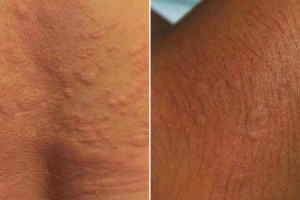
Raised, itchy welts on the skin are known as hives (medically known as urticaria). They frequently occur in clusters and can range in size from a pencil tip to a dinner plate. They usually cause the skin around them to flush or turn red, and the itching can be anywhere from slightly bothersome to intolerable.
Common Symptoms of Hives
- Raised, itchy welts that may look red or skin-colored
- Swelling and puffiness, especially around the welt
- Temporary flare-ups that can shift locations within hours
- Burning or stinging sensation in more severe cases
The tendency of hives to move about is one annoying aspect of them. A patch on your arm can disappear and then resurface on your stomach an hour later. This is simply a regular aspect of urticaria.
Relatable Read: What Are Actives in Skin Care? (And Which Ones Actually Work)
Common Causes of Hives
There are surprisingly many different things that might cause hives:
- Food allergies: Typical culprits include shellfish, peanuts, eggs, and dairy.
- Medications: Drugs, especially NSAIDs and antibiotics like penicillin
- Insect bites or stings
- Anxiety and stress: Indeed, emotional stress can lead to hives.
- Environmental triggers: Environmental triggers include sunshine, heat, cold, and pressure on the skin.
- Infections: Hives can be brought on by bacterial or viral diseases, particularly in young infants.
Can Essential Oils Actually Help with Hives?
The truth is that essential oils cannot treat hives or deal with their root cause. However, a few of them actually include substances with genuine anti-inflammatory and skin-soothing qualities that can help control symptoms while your body heals from a flare-up.
Among the main advantages they might provide are:
- Calming inflammation and redness on the skin surface
- Temporarily relieving itching
- Supporting faster skin recovery after a breakout
- Providing some relaxation during stress-induced flare-ups
Think of them as supportive tools, not miracle cures.
Relatable Read: Is Ivory Soap Good for Eczema? What You Need to Know Before Using It
How to Use Essential Oils Safely for Hives?
Before you apply anything to irritated skin, there are a few non-negotiable rules.
Always Dilute Essential Oils
Highly concentrated plant extracts are known as pure essential oils. Direct application to your skin, particularly irritated skin, may result in burns or irritation, or even exacerbate the reaction. They should always be diluted in a carrier oil first.
Good carrier oils for sensitive or reactive skin:
- Coconut oil: Naturally calming and hydrating, coconut oil is excellent for dry or irritated skin.
- Jojoba oil: Jojoba oil, which is actually a wax rather than an oil, is great for sensitive skin since it closely resembles the natural sebum produced by the skin.
- Sweet almond oil: Lightweight and mild, sweet almond oil is perfect for inflamed regions.
For the majority of adults, a safe dilution ratio is 2%, or roughly 12 drops of essential oil for every ounce (30 milliliters) of carrier oil. Reduce that to 1% (6 drops per ounce) for kids or skin that is extremely sensitive.
Perform a Patch Test First
This is a stage that is frequently overlooked, but it shouldn’t be. Some people may respond to natural oils as well.
Here’s how to do it correctly:
- Blend a tiny bit of your diluted mixture.
- Put a few drops on the inside of your elbow or wrist.
- Don’t wash the area for a whole day.
- Look for swelling, redness, burning, or increasing itching.
You shouldn’t use the oil if anything feels worse. Go ahead and try something else.
When to Avoid Essential Oils
- Open or broken skin: Avoid applying oils to areas of open or damaged skin where you have been scratching vigorously enough to shatter the surface.
- Severe allergic reactions: Oils are not an emergency treatment for severe allergic reactions.
- During pregnancy: Many essential oils, particularly significant doses of peppermint, should not be used while pregnant; always with your OB first.
- Very sensitive or compromised skin: Some people react to even well-diluted oils if they have extremely sensitive or damaged skin.
7 Best Essential Oils for Hives
1. Lavender Essential Oil
Lavender is an oil that appears on almost all “natural remedy” lists, and it truly deserves its reputation.
Benefits: Linalool and linalyl acetate, two substances found in lavender, have been demonstrated in tests to have anti-inflammatory benefits on the skin. Beyond the science, lavender really calms your skin and nervous system, which is important when tension is the cause of your hives.
- Reduces skin irritation and inflammation
- May lessen itching and redness
- Encourages relaxation, which can aid in flare-ups brought on by stress
How to Use:
Topical blend: Add 10-12 drops of lavender oil to one ounce of jojoba or coconut oil. Two to three times a day, gently apply to the afflicted regions.
Bath soak: In a lukewarm bath, dissolve 8–10 drops of lavender oil in 1 cup of unscented Epsom salt. Soak for fifteen to twenty minutes. Steer clear of hot water, as it can exacerbate hives.
2. Chamomile Essential Oil
One of the most underappreciated oils for skin issues is Roman chamomile. This is definitely the best place to start if you have sensitive skin by nature.
Benefits:
Alpha-bisabolol, a substance found in chamomile, has been shown to have anti-inflammatory and skin-soothing qualities. It works particularly effectively for hives brought on by allergic reactions and is mild enough to be applied to children’s skin when diluted appropriately.
- Naturally lowers inflammation in the skin
- Reduces skin irritation and inflammation
- One of the kinder choices for skin that reacts
How to Use:
Cool compress: Pour five drops of chamomile oil into a basin of cool water to create a cool compress. Apply to the afflicted area for ten to fifteen minutes after soaking and wringing with a clean cloth.
Carrier blend: Apply directly to hives after combining 10 drops with 1 ounce of sweet almond oil.
3. Tea Tree Essential Oil
Tea tree is powerful. That’s both its strength and the reason you need to be careful with it.
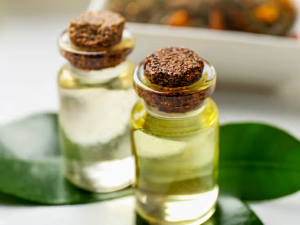
Benefits:
Tea tree oil has proven antibacterial and anti-inflammatory qualities. Although germs aren’t usually the source of hives, tea tree can help prevent secondary infections if you’ve been scratching, which is almost a given. Additionally, it lessens a breakout’s general irritation and inflammation.
- Antimicrobial assistance for skin irritation or scratches
- Lessens redness and inflammation
- Can ease skin irritation during a flare-up
How to Use:
Spot treatment: Use a cotton swab to apply only to the most afflicted areas after diluting 1-2 drops in a teaspoon of carrier oil. Avoid applying to major body parts.
Caution: One of the stronger oils on this list is tea tree, so use caution. Never use it unadulterated. Even when diluted, some people are sensitive to tea tree; if burning or itching intensifies, rinse it off right away and never use it again.
Relatable Read: Best Face Oils for Every Skin Type (Dry, Oily, Acne-Prone)
4. Peppermint Essential Oil
If your largest complaint is itching, which it generally is, peppermint oil gives something that most people can’t: a cooling sensation that actually diverts attention from the itch and offers almost instantaneous temporary relief.
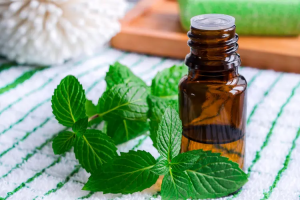
Benefits:
The menthol in peppermint stimulates the skin’s cold-sensing receptors. People actually notice and appreciate its cooling effect on itching skin during a flare-up, even if it doesn’t relieve inflammation in the same manner as lavender or chamomile.
- Relieves severe itching with cooling
- Temporary yet genuine solace following severe flare-ups
- Light, revitalizing feeling on skin that is inflamed
How to Use:
Apply diluted: Combine 6–8 drops with 1 ounce of carrier oil (jojoba works well). On places that are itching, apply a thin coating.
Cooling spray: To make a cooling spray, fill a small spray bottle with two ounces of distilled water and ten drops of peppermint oil. Before using, shake, then gently sprinkle the afflicted area.
Caution: People with extremely sensitive skin may find peppermint irritating rather than calming, and it is not advised for small children (under 6). First, begin with a tiny test area.
5. Frankincense Essential Oil
Although frankincense isn’t as popular as lavender or tea tree, it has been utilized for ages in the field of holistic skincare, and with good reason.
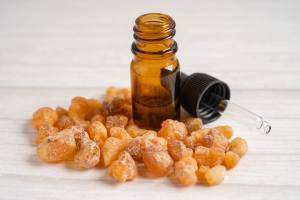
Benefits:
Boswellic acids found in frankincense have real anti-inflammatory properties. It’s frequently applied to skin that’s going through a difficult time, whether it’s due to hives, eczema, or acne. It is a wonderful option for continuous skin support rather than instant comfort because it acts more gradually than something like peppermint.
- Helps the skin heal after an outbreak
- Could reduce underlying inflammation.
- Works effectively when combined with a regular skin-calming routine
How to Use:
Daily blend: Every day, mix 1 ounce of jojoba oil with 8 drops of frankincense and 4 drops of lavender. To reduce persistent irritation, use twice a day.
Combination application: Frankincense and lavender work especially well together because they have anti-inflammatory and skin-soothing properties.
Relatable Read: 5 Matcha Benefits for Skin: Anti-Aging, Brightening & More
6. Helichrysum Essential Oil
Skin fans swear by this less well-known product, and there’s a reason it’s sometimes referred to as the “everlasting” or “immortelle” oil.
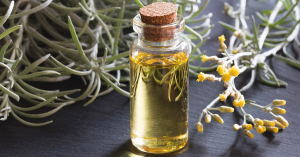
Benefits:
When it comes to skin healing, Helichrysum offers some of the most convincing data. It contains substances including italidiones and arzanol, which are thought to enhance the skin’s regenerative processes and lessen redness. Helichrysum can speed up the healing process for hives that cause the skin to appear irritated and exhausted, even after the welts go down.
- Promotes skin repair and regeneration
- Helps lessen obvious inflammation and redness
- Effective for healing post-hive skin
How to Use:
Direct diluted application: Apply one or two times a day to the afflicted areas after mixing ten drops in one ounce of carrier oil.
Anti-inflammatory blend: For a targeted skin-recovery blend, mix five drops of frankincense with one ounce of jojoba oil.
7. Geranium Essential Oil
One of those underappreciated yet quiet overachievers is geranium oil. Those who have recurrent hives and need something for continuous skin care will find it especially beneficial.

Benefits:
Geranium is well-known for its capacity to maintain and balance the function of the skin barrier, which is important because a weakened skin barrier increases your vulnerability to reactions in the first place. Additionally, it helps reduce itching without the potency of peppermint and has mild anti-inflammatory properties.
- Helps in restoring and balancing the appearance of healthy skin
- Relieves chronic itching
- Promotes the skin barrier to lessen sensitivities in the future
How to Use:
Massage oil: For massage oil, combine one ounce of sweet almond oil with ten drops of geranium. Gently massage the skin surrounding active welts; do not massage them vigorously.
Daily routine: To keep skin calm in between flare-ups, incorporate it into your morning skincare routine.
Relatable Read: Does Niacinamide Help with Acne Scars? Here’s the Real Answer
Best Essential Oil Blends for Hives Relief
Sometimes one oil isn’t enough. These three blends combine the benefits above for more targeted relief.
Anti-Itch Blend
- 6 drops lavender
- 4 drops of chamomile
- 1 oz jojoba or sweet almond oil
Best for: Persistent itching, sensitive skin, or hives triggered by allergies
Cooling Relief Blend
- 5 drops peppermint
- 5 drops lavender
- 1 oz coconut oil
Best for: Acute itching relief during a bad flare-up
Skin Recovery Blend
- 5 drops frankincense
- 5 drops helichrysum
- 1 oz jojoba oil
Best for: After a flare-up starts to fade, to support skin healing
Other Natural Remedies That May Help Hives
Essential oils work best as part of a broader approach. These other remedies are worth combining with them:
Cold Compresses: You can almost instantly alleviate swelling and itching by applying a cold, moist cloth to the affected region. Apply it for ten to fifteen minutes, then repeat as necessary.
Oatmeal Baths: The anti-itch and anti-inflammatory properties of colloidal oatmeal are supported by substantial research. Soak 1-2 cups in a lukewarm bath for 20 minutes. This works particularly well for broad hives.
Aloe Vera Gel: Pure aloe vera gel, not the artificially colored variety, is moisturizing, cooling, and has a slight anti-inflammatory effect. It works nicely either by itself or as a foundation for a few drops of diluted lavender.
Stress Management: This is crucial if you frequently get hives during stressful times. Cortisol levels can be sufficiently lowered by breathing techniques, mild yoga, or even just ten minutes of outside time to lessen stress-related flare-ups.
Trigger Identification: Over time, trends can be found by simply recording what you ate, where you were, and what products you used prior to each flare. It’s tiresome, but it’s frequently really enlightening.
When to See a Doctor for Hives
Natural remedies have their place, but some situations call for medical attention. Don’t delay if you experience:
Signs of a Serious Allergic Reaction (Anaphylaxis)
- Difficulty breathing or swallowing
- Swelling of the face, lips, or throat
- Dizziness, lightheadedness, or fainting
- Rapid heartbeat alongside hives
This is an emergency. Call 911 (or your local emergency number) immediately.
Chronic Hives
See a dermatologist or allergist if your hives persist for more than six weeks, recur without a known cause, or seriously impair your quality of life. Effective prescription medications are available for chronic urticaria, which frequently has underlying reasons that require accurate diagnosis.
Relatable Read: Why Is Korean Skincare So Good? The Science and Secrets
Final Words
These seven essential oils – lavender, chamomile, tea tree, peppermint, frankincense, helichrysum, and geranium offer genuine, practical support for mild to moderate flare-ups of hives, which can be painful and even scary.
The most crucial things to keep in mind are to always dilute before applying, to perform a patch test on healthy skin before using on a breakout, and to maintain reasonable expectations. These oils can help control a flare-up, but they won’t make it go away in ten minutes.
For maximum effects, combine them with stress reduction, trigger tracking, and the other natural therapies mentioned above. Additionally, please consult a doctor if your symptoms are severe, ongoing, or getting worse. The optimal strategy typically incorporates both medical care and natural cures; they are not mutually exclusive.
Frequently Asked Questions (FAQs)
Which essential oil works best for hives?
Lavender is the most adaptable starting point because it relieves irritation and itching while being mild enough for most skin types. If you have extremely sensitive skin, chamomile is a better option.
Can you stop itching right away using essential oils?
The closest is peppermint oil, whose menthol has a cooling effect just minutes after application. Other oils usually take longer to start working.
Can hives be treated with lavender oil?
Yes, for the majority of people. One of the softer essential oils with an excellent safety profile is diluted lavender oil. Do a patch test first, though, as some people may react to even little oils.
Can I treat hives directly with essential oils?
No, always dilute them in a carrier oil first. Applying undiluted essential oils to skin that is already irritated may result in chemical burns or more irritation.
For sensitive skin, which carrier oil works best?
Jojoba oil is generally considered the top pick for sensitive or reactive skin because of how closely it resembles the skin’s natural oils and how rarely it causes reactions.