Sunburn can leave your skin feeling tight, inflamed, and uncomfortable, prompting many people to look for natural remedies that actually soothe rather than irritate.
One option that often comes up is castor oil for sunburn, thanks to its rich, thick texture and deeply moisturizing properties. But is it truly helpful for healing sun-damaged skin, or could it sometimes do more harm than good?
Let’s break down everything you need to know about castor oil for sunburn, from its potential benefits like hydration and skin barrier support to the possible risks like clogged pores or heat trapping on already sensitive skin.
What Is Castor Oil?
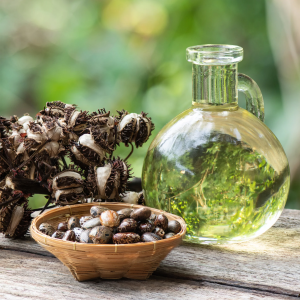
The seeds of the tropical shrub Ricinus communis, which is indigenous to Asia and Africa, are used to make castor oil. The majority of the oil’s advantageous chemicals are preserved when the seeds are cold-pressed to extract the oil. From ancient Egypt to Ayurvedic treatments in India, it has been utilized for ages in traditional medicine to treat everything from skin care to constipation. It’s not exactly a new child on the street, then.
Relatable Read: How to Choose the Best Jamaican Black Castor Oil
Nutritional and Skin-Care Properties
Castor oil’s exceptionally high concentration of ricinoleic acid, a rare omega-9 fatty acid that accounts for 85–95% of its composition, is what makes it unique (and, to be honest, a little strange). The majority of castor oil’s medicinal properties come from ricinoleic acid, which includes:
- Its emollient and moisturizing qualities create a barrier that keeps the skin hydrated.
- Early studies indicate that ricinoleic acid may have anti-inflammatory properties.
- Its antimicrobial properties could help shield injured skin from mild infections.
Its thickness, stickiness, and slightly earthy scent may be helpful for dry or sensitive skin.
Relatable Read: What Are Actives in Skin Care? (And Which Ones Actually Work)
Can Castor Oil Help Treat Sunburn?

How Sunburn Affects the Skin
UV radiation directly damages skin cells’ DNA and sets off an inflammatory reaction when it strikes your skin. This explains why sunburned skin becomes painful, red, and hot to the touch. The skin begins to peel over the next few days as the damaged cells shed, which is basically your body’s attempt to eliminate vulnerable cells.
Inflammation, moisture loss, and preserving the integrity of your skin barrier are the key obstacles to recuperation. Castor oil and other moisturizing substances could perhaps help with it.
Potential Benefits of Castor Oil for Sunburn
Sunburns cannot be healed with castor oil. Let’s get straight to the point about that. However, it could aid in the healing process in several ways:
Retention of moisture: Sunburned skin quickly loses moisture. The thick, occlusive quality of castor oil helps in moisture sealing.
Reduced peeling: The degree of dryness and flaking can be reduced by keeping skin moisturized.
Skin barrier support: Castor oil’s fatty acids may help strengthen the skin’s barrier.
Soothing effects: When castor oil is applied to itchy skin, some individuals experience a cooling, soothing feeling.
Benefits of Using Castor Oil for Sunburn
Deep Hydration for Dry Skin
Sunburned skin is thirsty skin. Castor oil draws moisture to the skin and helps it retain it by acting as an occlusive and humectant. The moisturizing properties of castor oil may provide significant relief if your skin feels dry and tight after a long day in the sun.
May Help Minimize Flaking and Peeling
Watching their skin shed like a snake is not fun for anyone. Castor oil is a powerful hydrator, and regular moisturizing is one of the best strategies to minimize peeling. It can soften dead skin and lessen the severity of the peeling process when applied during that stage.
Supports Skin Softness During Recovery
During healing, castor oil’s emollient qualities assist close the spaces between skin cells, making the skin feel smoother and softer. Your skin will feel much better while it heals, but it won’t accelerate cellular repair.
Potential Anti-Inflammatory Effects
In topical treatments, ricinoleic acid has demonstrated some promise in decreasing inflammation. Castor oil is not a replacement for tried-and-true anti-inflammatory treatments like hydrocortisone or aloe vera, but applying it to sun-damaged skin may help lessen the intensity of that hot, inflammatory feeling.
Easy to Combine with Other Moisturizers
Castor oil gets along well with other substances. Due to its thickness, adding a few drops to an aloe vera gel or fragrance-free moisturizer makes it simpler to apply and increases the overall hydration impact. In fact, this is one of the finest ways to apply it to sunburn.
Relatable Read: Best Face Oils for Every Skin Type (Dry, Oily, Acne-Prone)
Risks and Side Effects of Castor Oil on Sunburned Skin
Skin Irritation and Allergic Reactions
Some people, particularly those with sensitive skin, may get contact dermatitis from castor oil. Because sunburned skin is already damaged, reactions are more likely to occur. Before putting anything new to burned areas, always conduct a patch test on unaffected skin.
Trapping Heat in Fresh Sunburns
This is the major one. Because castor oil is thick and occlusive, it has the ability to retain heat in the skin. It may exacerbate the burning feeling and delay the initial cooling process when applied to a fresh, scorching sunburn, particularly in the first twenty-four hours. Hold off on applying the oil until the skin has cooled.
Clogged Pores and Breakouts
Castor oil is not recommended for oily or acne-prone skin because it is heavy and comedogenic, which means it can obstruct pores. Use caution if you’re applying it to your face after becoming sunburned because you could end up with another issue.
Not Suitable for Severe Sunburns
Castor oil is not what you need if you have blisters from your sunburn, a fever, chills, or nausea, or symptoms of dehydration. These are symptoms of sun poisoning or second-degree burns; you should get medical help instead of trying home cures.
Relatable Read: The Best Tea for Skin: Anti-Aging, Brightening & Hydrating Options
How to Use Castor Oil for Sunburn Safely
Step 1: Cool the Skin First
Cool the skin before using any oil or moisturizer. Take a lukewarm shower or apply cool, not freezing, compresses. This lowers the surface temperature and makes it possible for the following application to be absorbed more effectively.
Step 2: Apply a Small Amount
When it comes to castor oil, less is more. A few drips make a big difference. Don’t rub it vigorously on burnt regions; instead, warm it between your fingers and softly press it into the skin. To thin it out and make the application more comfortable, you can also combine it with aloe vera gel.
Step 3: Monitor Skin Response
Observe how your skin responds over the next hour or two following the initial treatment. Rinse it off and stop using it if you have increasing redness, irritation, hives, or a rash. The last thing you want is irritated skin on top of a sunburn.
Step 4: Reapply as Needed
You can reapply castor oil once or twice a day, usually in the morning and at night, to maintain hydration throughout your recuperation. Avoid applying too much because it can lead to congestion, particularly on the face.
Best Ways to Combine Castor Oil with Other Sunburn Remedies
Castor Oil and Aloe Vera
To be honest, this is the ideal pair. Castor oil retains moisture and promotes the healing of the skin barrier, while aloe vera offers instant cooling and anti-inflammatory treatment. For a soothing and nourishing DIY sunburn salve, combine fresh aloe vera gel with a tiny bit of castor oil.
Castor Oil and Fragrance-Free Moisturizers
The moisturizing effect of an unscented, mild moisturizer (such as CeraVe or Vanicream) can be enhanced by adding a few drops of castor oil without the heaviness of pure castor oil. This mixture is less likely to clog pores and is simpler to apply.
Hydration and Internal Recovery
Remember that recovering from a sunburn is also an inside job. Drink lots of water to help in your body’s healing process; sunburn and dehydration are not a good mix.
Cooling Compresses Before Moisturizing
Cool first, then moisturize. Before moisturizing, apply a cool, damp towel for ten to fifteen minutes to assist in lowering surface heat and increasing the skin’s receptivity to hydration therapies.
Alternatives to Castor Oil for Sunburn Relief
The dermatological community commonly suggests the following if castor oil doesn’t appeal to you or if you’d like to stick to more scientifically supported options:
- Aloe Vera Gel: Maybe the best treatment for sunburn is aloe vera gel. It has a strong amount of evidence supporting its cooling and anti-inflammatory properties.
- Colloidal Oatmeal Products: Colloidal oatmeal products work wonders for calming inflamed skin and reducing irritation, especially during the peeling stage.
- Fragrance-Free Moisturizers: Eucerin and CeraVe Moisturizing Cream are examples of fragrance-free moisturizers that aid in rebuilding the skin barrier without causing irritation.
- Hydrocortisone Cream (1%): When used as prescribed, Hydrocortisone Cream (1%) can help relieve irritation in moderate sunburns; however, it should not be used on blisters or broken skin.
- Over-the-Counter Pain Relievers: Aspirin and ibuprofen are examples of relievers that can help control pain and lower inflammation from the inside out.
Who Should Avoid Using Castor Oil for Sunburn?
People who have sensitive skin should exercise caution and always do a patch test first. Skin that has been sunburned reacts even more than normal.
People with known castor oil or ricin allergies should avoid it entirely. On burnt skin, allergic responses can worsen rapidly.
People with severe or blistering sunburns should see a doctor instead of using any home treatments.
Individuals experiencing skin infections should not apply castor oil over broken or infected skin, as it could worsen the condition or introduce additional irritants.
Sunburn Prevention Tips
Let’s face it: avoiding sunburn is always preferable to treating it. Here’s how to protect your skin:
- Make sure your broad-spectrum sunscreen has a minimum SPF of 30 and offers protection from both UVA and UVB rays.
- Regularly reapply sunscreen after swimming or perspiring, as well as every two hours if you’re outside. Yes, even on overcast days.
- Put on protective gear, such as UV-blocking sunglasses, wide-brimmed hats, and long sleeves. UPF-rated sun protection apparel is revolutionary.
- Steer clear of Peak UV Hours, which are when the sun’s rays are highest, from 10 AM to 4 PM.
- Stay Hydrated Outside. Heat and sun exposure cause your skin to lose more fluids, and being hydrated makes it easier for your skin to withstand sun exposure.
Relatable Read: What Skincare Products Should Be Refrigerated?
Final Words
So, is it worthwhile to try castor oil for sunburn? The truth is that, given the proper assumptions, perhaps. It’s not a miracle therapy, and there isn’t much research on sunburn treatment in particular. However, it has real potential as a moisturizing, skin-barrier-supporting oil used throughout the healing stage of a minor sunburn, particularly when paired with tried-and-true treatments like aloe vera.
The main guidelines? It should never be applied to fresh, hot burns. Patch testing should always come first. Additionally, please consult a doctor if your sunburn is severe – blistering, fever, nausea, or excruciating pain. Proper medical treatment cannot be replaced by any home cure.
Castor oil is a sensible addition to your toolkit for sunburn healing when used properly. Don’t expect it to make up for forgetting your SPF 50 for an afternoon.
Frequently Asked Questions (FAQs)
Can sunburned skin benefit from castor oil?
For its hydrating and possibly anti-inflammatory qualities, it can be a useful supplemental treatment for minor sunburns. Although it’s not a treatment, when used properly, it can aid in the healing process.
Can sunburn peeling be lessened by castor oil?
Indeed, maintaining regular moisture on tanned skin reduces peeling, and castor oil works well as a moisturizer. Compared to dry skin, hydrated skin sheds less noticeably.
How frequently should a sunburn be treated with castor oil?
Usually, once or twice a day is adequate. Applying it after a cool shower or compress when the skin is slightly damp gives the best absorption.
For sunburn, is castor oil superior to aloe vera?
No, not really. Aloe vera is more suitable for the initial stages of sunburn relief and has stronger anti-inflammatory properties. When profound hydration is the priority during the later stages of recuperation, castor oil is more beneficial.
Does castor oil exacerbate sunburn?
Indeed, it can trap heat and exacerbate irritation if applied too soon while the skin is still heated. For those who are sensitive, it may potentially cause allergic responses.